How a 24 Hour Locksmith Can Help With Unexpected Home Lockouts
Being locked out of your home can happen without warning. You might leave your keys inside before heading to work, discover that your front door lock has stopped functioning, or return home late in the evening only to realise that your keys are missing. Whatever the circumstances, being unable to enter your property can quickly become stressful, particularly when it happens outside normal working hours.
For homeowners, renters, landlords and property managers in Twickenham, unexpected lockouts can disrupt daily routines and create concerns about property security. The same challenges affect people throughout the UK, whether they live in a traditional terraced house, a modern flat or a larger residential property.
A 24 hour locksmith provides access to professional assistance when lock problems occur at inconvenient times. Rather than attempting to force entry or using unsuitable tools, customers can seek help from someone familiar with different locking systems and appropriate entry techniques.
This guide explains how professional lockout assistance works, what to do when you cannot enter your home, and how to reduce the likelihood of experiencing similar problems in the future.
Understanding the Common Causes of Unexpected Home Lockouts
Home lockouts can occur for several reasons, and not every situation involves lost keys. Sometimes the key is available, but the locking mechanism has developed a fault that prevents the door from opening. Understanding the likely cause can help determine the most appropriate solution.
One common situation involves accidentally leaving keys inside the property. This can happen when taking rubbish outside, collecting a delivery, working in the garden or leaving home in a hurry. Certain door mechanisms can lock automatically when the door closes, meaning that even a brief moment outside can result in someone being unable to regain entry.
Lost keys present a different challenge. A person may discover that their keys are missing after travelling, shopping or returning from work. When there is no spare key available, professional assistance may be necessary to restore access.
In these circumstances, an emergency locksmith can assess the situation and determine an appropriate method of entry. The objective is to restore access while avoiding unnecessary damage to the door, frame and surrounding hardware wherever the condition of the lock allows.
Broken keys are another frequent cause of unexpected lockouts. Over time, repeated use can weaken a key, particularly if it has become bent or is regularly forced into a stiff mechanism. Eventually, the key may snap inside the cylinder, leaving part of it lodged within the lock.
Attempting to remove a broken fragment using unsuitable household tools can push it further into the mechanism. This may complicate the extraction process or damage internal components that might otherwise remain usable.
Mechanical failure can also prevent a door from opening. Multi-point locking systems commonly fitted to UPVC and composite doors contain several components that must operate together. If one part becomes damaged or misaligned, the entire mechanism may stop functioning correctly.
Changes in temperature, movement within the door frame and general wear can contribute to these problems. A door that has gradually become difficult to close may eventually develop a fault that prevents normal access.
Older properties in Twickenham may have traditional timber doors fitted with mortice locks or other mechanical arrangements. These systems can also experience problems through repeated use, damaged keys or deterioration of internal components.
Modern homes may use electronic or smart locking systems. Although these offer different access options, faults involving batteries, electronic components or mechanical backup arrangements can still result in a lockout.
Understanding the circumstances surrounding the problem is useful when requesting assistance. Explaining whether the keys are missing, the mechanism is jammed or the door has closed with the keys inside can help establish what type of work may be required.
The most appropriate response will depend on the condition of the lock, the type of door and whether any additional security concerns need to be addressed.
What to Do When You Are Locked Out of Your Home
Discovering that you cannot enter your property can be frustrating, particularly during bad weather, late at night or when you have important commitments. However, taking a few practical steps can help you manage the situation without causing additional damage.
People searching for a 24 hour locksmith near me are often looking for immediate assistance because they have exhausted their usual options. Before arranging professional help, it is worth checking whether there is a straightforward and safe way to regain access.
Consider the following steps:
- Check whether you have a spare key available. A trusted family member, housemate or another authorised person may hold a spare key that can be used to enter the property.
- Contact your landlord or property manager if appropriate. Renters may be able to obtain assistance through their landlord, letting agent or designated property management contact. Check any tenancy arrangements before authorising work that may affect the existing locks.
- Confirm the nature of the problem. Determine whether the key is missing, broken, trapped inside the lock or simply unable to turn. This information can help the professional understand the likely cause.
- Avoid forcing the door or window. Attempting to gain entry by levering a frame, forcing a handle or damaging a locking mechanism can create additional repair work.
- Do not repeatedly turn a jammed key. Excessive force can cause a weakened key to snap or damage the internal mechanism, making the original problem more complicated.
- Find a safe place to wait. If the lockout occurs late at night or during poor weather, consider waiting somewhere sheltered while arranging assistance.
- Explain any immediate safety concerns. If a child or vulnerable person is inside and may be in danger, or there is a fire or another immediate threat, contact the appropriate emergency services rather than relying solely on routine lockout assistance.
- Provide accurate property information. Describe the door type, the condition of the lock and any visible damage. Photographs may also help identify the general locking arrangement before attendance.
- Ask about the proposed work. Establish whether the professional will assess the existing mechanism before deciding whether repair or replacement is necessary.
- Clarify the charging arrangements. Ask about attendance, labour and possible replacement components so you understand what may be involved before work begins.
For senior citizens, people with mobility difficulties and households with young children, a lockout can be particularly inconvenient. Having a trusted contact who can provide temporary assistance may help make the situation more manageable.
Landlords and property managers responsible for multiple properties should also consider how authorised access will be handled. A tenant may require assistance outside ordinary office hours, so having a clear procedure for reporting lock problems can reduce confusion.
Where the property can still be accessed safely through an authorised entrance, it may be possible to arrange a planned appointment rather than immediate attendance. However, a door that cannot be secured or a situation involving urgent access requirements may need prompt professional attention.Remaining calm, avoiding unnecessary force and providing accurate information can help ensure the problem is addressed appropriately.
How Professional Locksmith Assistance Restores Access Safely
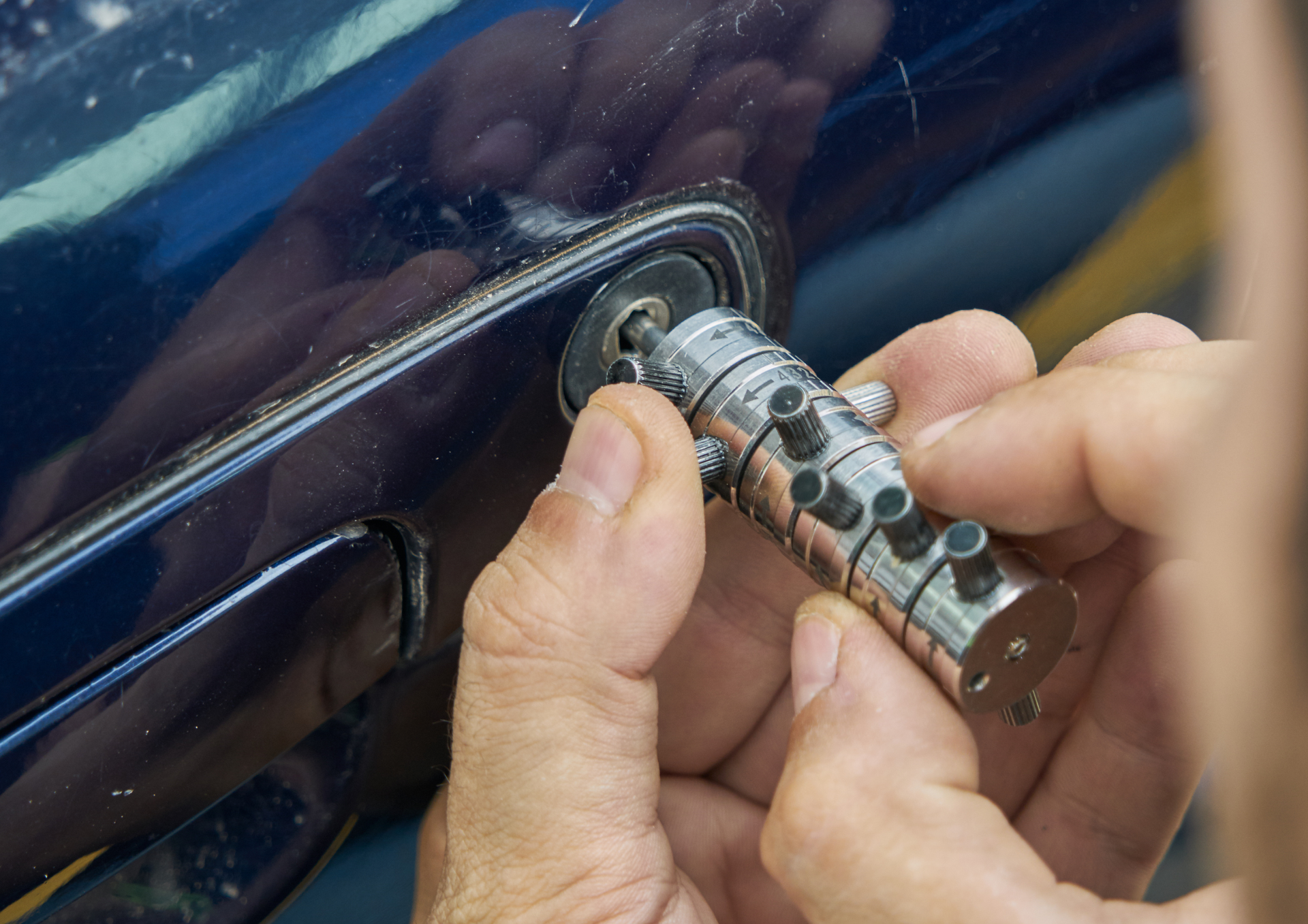
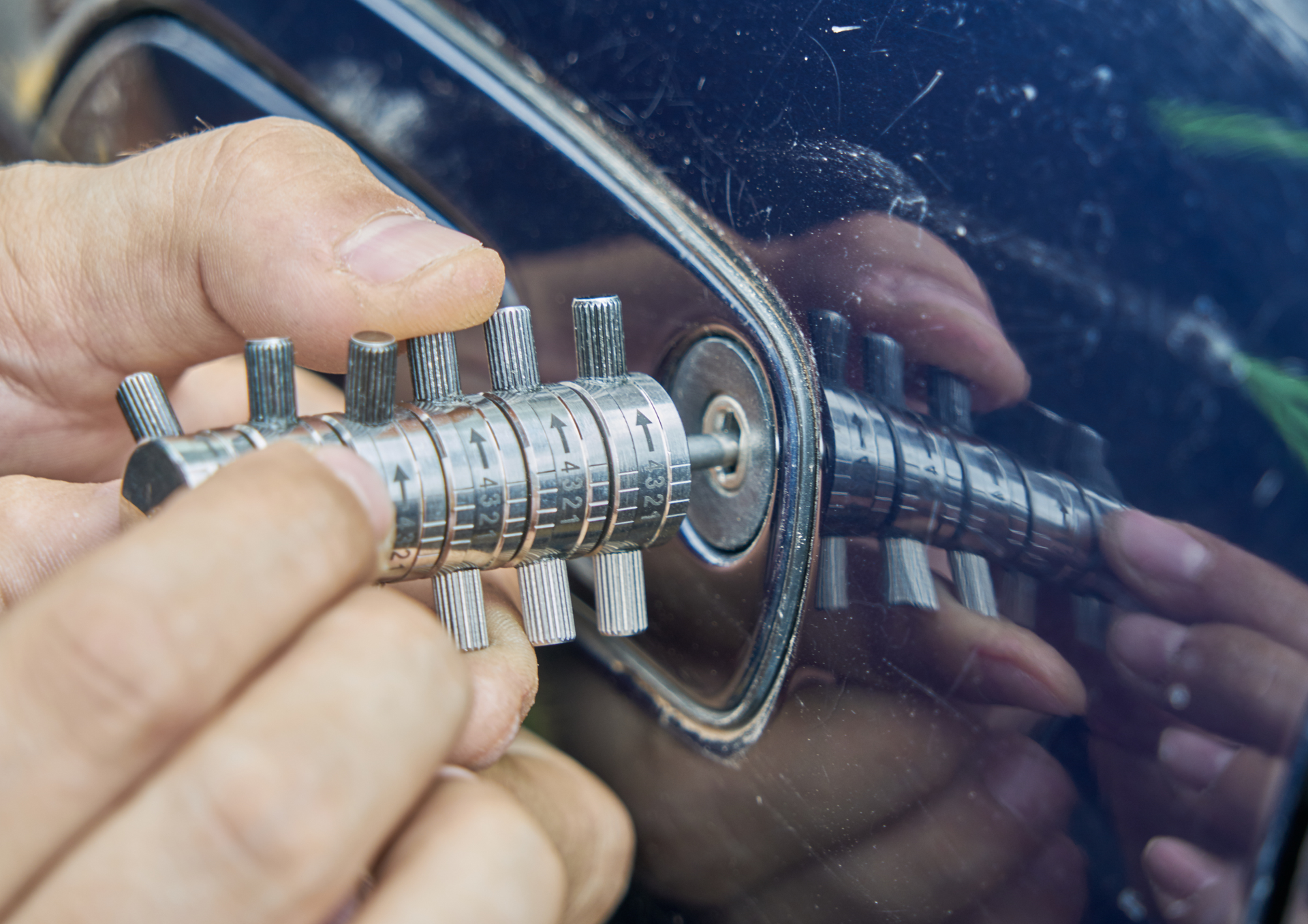
Professional lockout assistance involves more than simply opening a door. The locksmith must first understand the circumstances, identify the locking system and determine which entry method is appropriate for the particular situation.
A 247 locksmith may be contacted when a customer cannot access their home during the evening, overnight or early in the morning. Regardless of when assistance is required, careful assessment remains important because different locks and doors require different techniques.
The first stage usually involves establishing the nature of the problem. The professional may ask whether the keys have been lost, whether the lock has stopped working or whether the door has closed with the keys still inside.
The type of locking mechanism must then be considered. A traditional mortice lock operates differently from a modern multi-point system, and an electronic lock may require a different diagnostic approach from a conventional cylinder.
Where the lock and door condition permit, controlled entry methods may allow access without replacing the entire mechanism. However, the appropriate technique depends on the lock design, the nature of the fault and whether internal components have already been damaged.
A broken key may require careful extraction before the lock can be tested. If the fragment can be removed without damaging the cylinder, the existing mechanism may remain suitable for continued use.
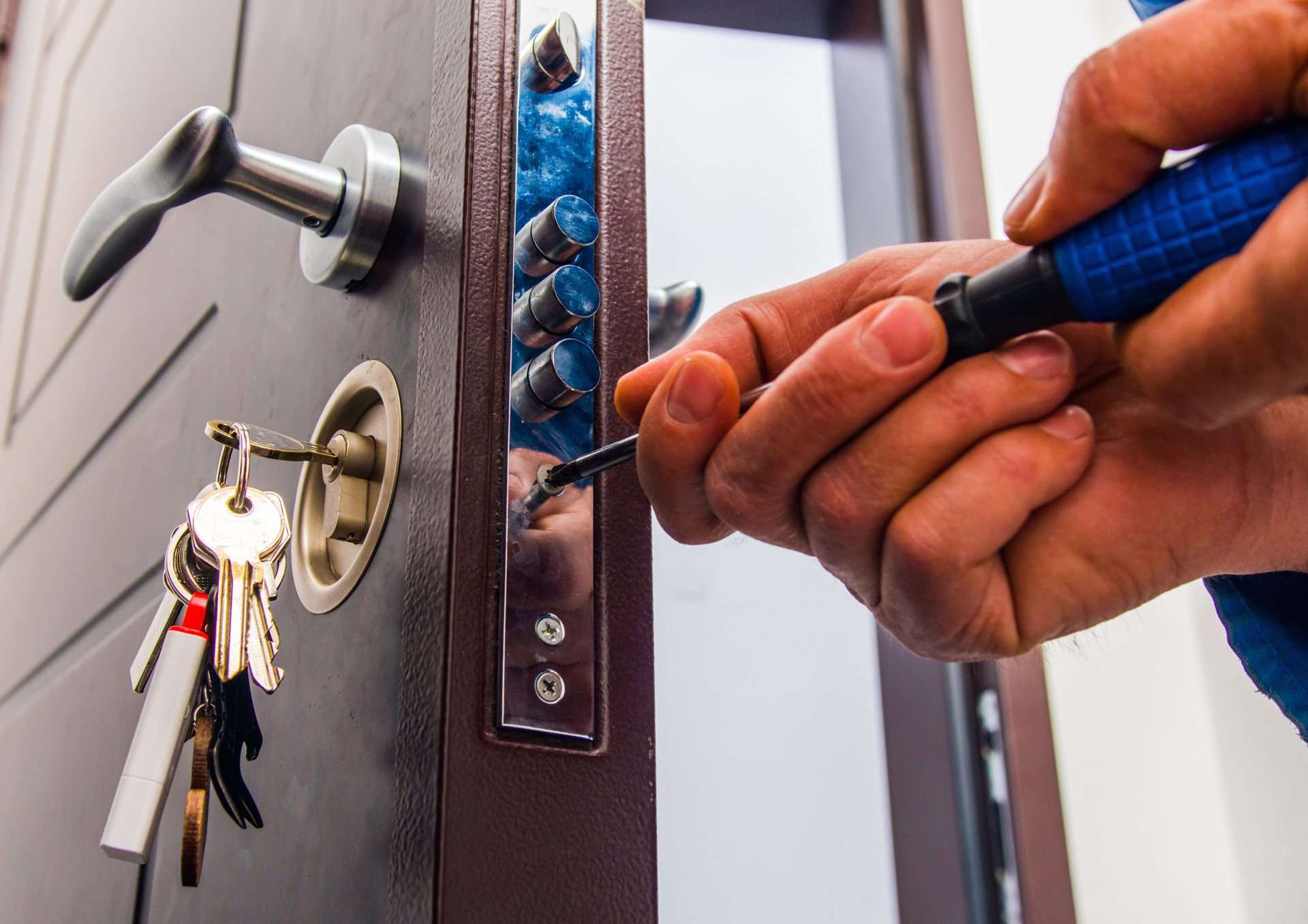
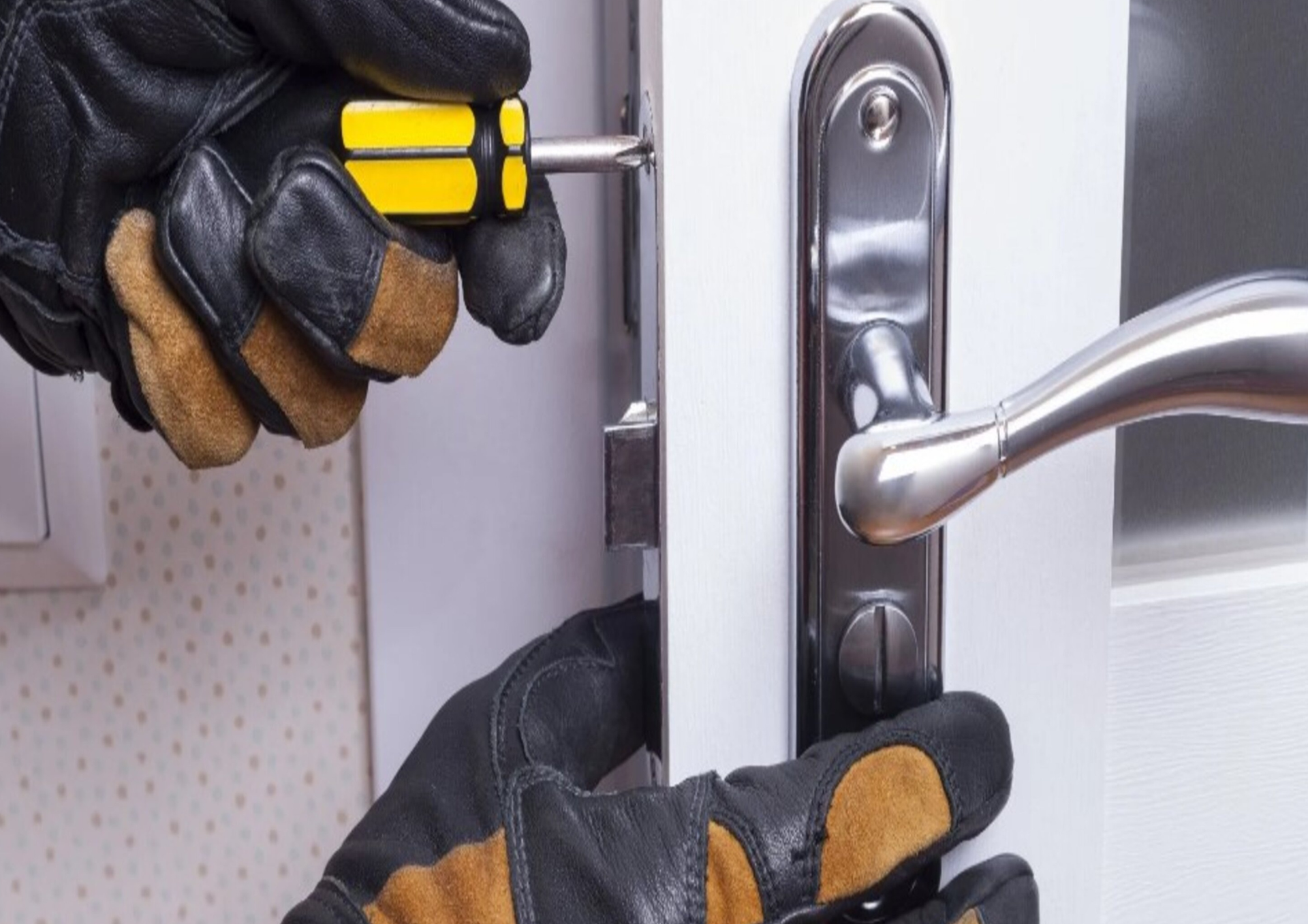
Where a locking mechanism has failed internally, additional work may be required. This could involve replacing a damaged component, adjusting the surrounding hardware or fitting a suitable replacement mechanism.
Door alignment is another important consideration. If the locking points do not meet their corresponding keeps correctly, the mechanism may become increasingly difficult to operate.
Simply replacing the lock without addressing this underlying problem may lead to recurring faults. A careful assessment should therefore consider whether the door, hinges, handles or surrounding frame are contributing to the issue.
For homeowners with UPVC or composite doors, multi-point locking systems require particular attention because several components must operate together. Incorrect adjustment can place additional pressure on the mechanism and affect its long-term performance.
Traditional timber doors may present different challenges. Wear within the lock, movement in the door or deterioration of the surrounding frame can influence how the mechanism operates.
Smart-home users may also require assistance when an electronic access system stops functioning. The cause could involve a power issue, a mechanical fault or a problem with the access arrangement itself.In these situations, identifying the source of the problem is essential before deciding whether a component needs replacing.
Once access has been restored, the lock should be checked to ensure that the door opens, closes and secures correctly. Any remaining stiffness, alignment problems or damaged components should be considered before the work is regarded as complete.Where replacement is necessary, the new component should be compatible with the existing door and suitable for its intended use.
Customers should also understand whether their existing keys will continue to work. If the cylinder or another key-operated component has been changed, authorised occupants may need updated keys.The overall objective is to restore dependable access while preserving the condition of the property wherever reasonably possible.
How to Reduce the Risk of Future Home Lockouts
Although unexpected lockouts cannot always be prevented, several practical measures can reduce the likelihood of being unable to enter your home. A reliable locksmith emergency service can help resolve an immediate access problem, but regular maintenance and sensible key management are equally important for avoiding recurring difficulties.
The following measures can help homeowners, renters, landlords and property managers maintain dependable access:
- Keep a spare key with someone you trust. A family member, trusted neighbour or another authorised person may be able to provide access if your usual keys are misplaced.
- Establish a consistent place for your keys. Keeping them in the same secure location at home can reduce the likelihood of leaving without them.
- Check your keys before closing the door. Developing a simple routine can be particularly helpful with doors that lock automatically when closed.
- Inspect keys for visible wear. Bent, cracked or damaged keys should be addressed before they break inside a locking mechanism.
- Pay attention to stiff locks. A key that becomes increasingly difficult to turn may indicate wear, alignment problems or another developing fault.
- Avoid forcing handles or mechanisms. Excessive pressure can damage internal components and increase the likelihood of sudden failure.
- Arrange maintenance when doors become difficult to close. Misalignment can place unnecessary strain on multi-point locking systems and other components.
- Keep smart-lock access arrangements up to date. Check batteries where applicable and ensure that any manufacturer-approved backup access method remains available.
- Review access arrangements after moving home. New occupants should understand which keys operate the property and whether any existing access arrangements need updating.
- Establish clear procedures for rental properties. Landlords and letting agents can benefit from having an organised approach to spare keys, authorised access and reporting mechanical faults.
- Check locks after building work. Door adjustments, replacement handles and other property improvements can affect how existing mechanisms operate.
- Arrange professional assessment when faults develop. Addressing a minor issue early may prevent it from becoming a complete lock failure later.
For property managers responsible for several homes, keeping accurate records of lock maintenance and authorised key holders can make access arrangements easier to manage.
Business owners and contractors may also benefit from reviewing how keys are distributed and returned, particularly where several people need access to the same premises.
For senior citizens and people who may find an unexpected lockout particularly difficult, establishing a trusted contact arrangement can provide additional reassurance.
Smart-home users should consider the practical limitations of electronic access systems. Battery condition, connectivity and mechanical backup arrangements may all affect how access is maintained during an unexpected fault.
Regular attention to door alignment, lock operation and key condition can help identify problems before they result in a complete lockout.
Although no preventative measure can eliminate every possible issue, maintaining reliable locking systems and sensible access arrangements can reduce disruption and unnecessary repair work.
Unexpected home lockouts can occur for many reasons, including lost keys, damaged mechanisms, broken keys and doors that lock automatically. Regardless of the cause, the priority should be to restore access safely without creating unnecessary damage to the property.
A 24 hour locksmith can provide professional assistance when access problems occur outside normal working hours. Careful assessment helps identify the underlying issue and determine whether controlled entry, adjustment, repair or replacement is appropriate.
For homeowners, renters, landlords and property managers in Twickenham, understanding how different locking systems operate can make unexpected situations easier to manage. The same principles apply to residential properties throughout the UK.
Taking sensible precautions, maintaining existing locks and addressing developing faults can also help reduce the likelihood of future problems.By choosing professional assistance and following practical preventative measures, property occupants can maintain dependable access while protecting the long-term condition of their doors and locking systems.
Locksmith Twickenham provides professional assistance for homeowners, renters, landlords, property managers and businesses dealing with unexpected lock and access problems. We understand that being unable to enter your property can be disruptive, particularly when the situation occurs outside ordinary working hours.
Our approach focuses on assessing the circumstances carefully, identifying the likely cause and explaining the work that may be required. Whether the problem involves a lost key, damaged cylinder, faulty mechanism or misaligned door, we aim to identify a practical solution suited to the existing locking system.
When customers require a 24 hour locksmith, our focus is on helping them understand the available options while prioritising careful workmanship and dependable access. We consider the condition of the door, surrounding hardware and existing mechanism before determining whether adjustment, repair or replacement may be appropriate.
We also recognise that different properties have different access requirements. A traditional residential entrance, modern UPVC door, rental property and commercial building may each require a different approach to restoring normal operation.
Clear communication is an important part of our service. We aim to explain the nature of the problem and the proposed work so customers can make informed decisions without unnecessary confusion.
If you are experiencing an unexpected home lockout or have noticed that your locking mechanism is becoming difficult to operate, contact us to discuss your requirements and arrange suitable professional assistance.
Check out our latest X update on how a
24 Hour Locksmith can help with unexpected home lockouts and provide reliable assistance when you need it most!
You might also like